By Kenya Today Fresh allegations of discontent have rocked the National Land Commission (NLC) , with employees raising serious questions over changes to staff allowances, recruitment and promotions under the leadership of Chief Executive Officer Kabale Tache and Director of Human Resource Management Ben Bett . Accounts from employees, alongside documents including payslips reviewed by this publication, point to growing frustration within the constitutional commission. Junior employees in particular claim they have been hit by decisions affecting their earnings while questions over fairness in recruitment and career progression continue to simmer. At the heart of the dispute are claims that house allowances for some lower-cadre employees have been reduced by as much as 44 percent , even as some officers in higher job groups are alleged to have received increases. Employees who spoke about the matter say the changes came without adequate consultation, with some claiming they only realised their allowances had been reduced when they received their salaries. Kenya Today has not independently established the circumstances behind every allowance adjustment or whether the reported increases for senior employees occurred under comparable employment terms. The allegations nevertheless raise questions that employees say the NLC leadership needs to address. Junior Staff Question Why They Are Bearing the Pain The workers argue that if the reductions were intended to control the commission's wage bill, management should explain why the burden appears to have fallen disproportionately on lower-ranking employees. For workers already confronting Kenya's high cost of living, a reduction approaching half of an existing housing allowance can have a significant effect on household finances. Employees say the issue has consequently gone beyond money and is now affecting morale within the institution. “House allowances for lower cadre staff have reportedly been reduced by up to 44 percent without consultation while some senior officers have received increases. Staff morale has fallen sharply and many employees feel recruitment and promotion processes are no longer transparent,” reads part of the concern raised by employees. The workers are demanding transparency over how the new allowances were calculated, which job groups were affected and what legal or administrative framework was relied upon in implementing the changes. Recruitment Questions Put Kabale Tache and Ben Bett on the Spot The controversy does not stop at salaries and allowances. Employees have also raised allegations concerning recruitment and promotions, claiming there is a perception within the commission that some opportunities have not been subjected to sufficiently open and competitive processes. Some workers allege that certain positions may have been filled without public advertisement or transparent interviews. They argue that such practices, if established, would disadvantage qualified employees seeking career progression as well as Kenyans outside the commission who might otherwise have competed for the positions. These claims have not been independently proven, and the individuals concerned should have an opportunity to respond. But the allegations are serious enough to warrant clear answers from the NLC leadership. CEO Kabale Tache and HR Director Ben Bett now face calls from employees to explain the commission's recruitment procedures, promotion criteria and the rationale behind the disputed remuneration changes. For a public institution entrusted with administering sensitive land matters, workers argue that transparency should begin inside the commission itself. Parliament Has Already Turned Its Attention to NLC Recruitment The concerns are particularly significant because the commission's human-resource practices have already attracted parliamentary scrutiny. The National Assembly's Departmental Committee on Lands previously sought recruitment records covering 2023 to 2026 , according to the information provided to Kenya Today, as part of its oversight of human-resource practices at the commission. Employees now want that scrutiny widened to establish whether appointments and promotions complied with applicable laws, regulations and internal procedures. Rather than allowing suspicion to continue spreading among employees, the commission could resolve many of the questions by making the relevant procedures and criteria available to the appropriate oversight institutions. Workers Describe Falling Morale Perhaps the most worrying allegation coming from inside NLC is the reported deterioration in staff morale. Employees describe an environment characterised by frustration and uncertainty, with some saying they are reluctant to raise grievances internally because they doubt whether their concerns will receive meaningful attention. That should concern the commission's leadership. A constitutional institution cannot effectively execute its mandate when significant sections of its workforce believe they are being treated unfairly or denied transparent opportunities for advancement. Neither should junior public servants be made to feel that institutional cost-cutting begins with their payslips while senior employees are protected. If there are legitimate reasons for the reported differences, the commission should explain them. Employees Want EACC, SRC and Parliament to Intervene The affected employees are now appealing for independent scrutiny by the Ethics and Anti-Corruption Commission (EACC), Ministry of Labour and Social Protection, Salaries and Remuneration Commission (SRC) and relevant parliamentary committees. They want the institutions to examine the allowance changes as well as recruitment and promotion processes and determine whether applicable requirements were followed. Their request is straightforward: establish the facts. If the decisions were lawful, competitive and properly authorised, an independent examination should help clear the leadership and restore confidence among employees. If irregularities are established, those responsible should be held accountable and affected workers given appropriate remedies. For Kabale Tache and Ben Bett , silence is unlikely to resolve the growing disquiet. NLC employees deserve to know why their remuneration changed, how recruitment decisions are being made and whether everyone — from the most junior employee to the most senior executive — is being subjected to the same standards of fairness and accountability. Until those questions are answered, allegations of unfair treatment, questionable recruitment and deteriorating staff morale will continue hanging over the National Land Commission.
Source



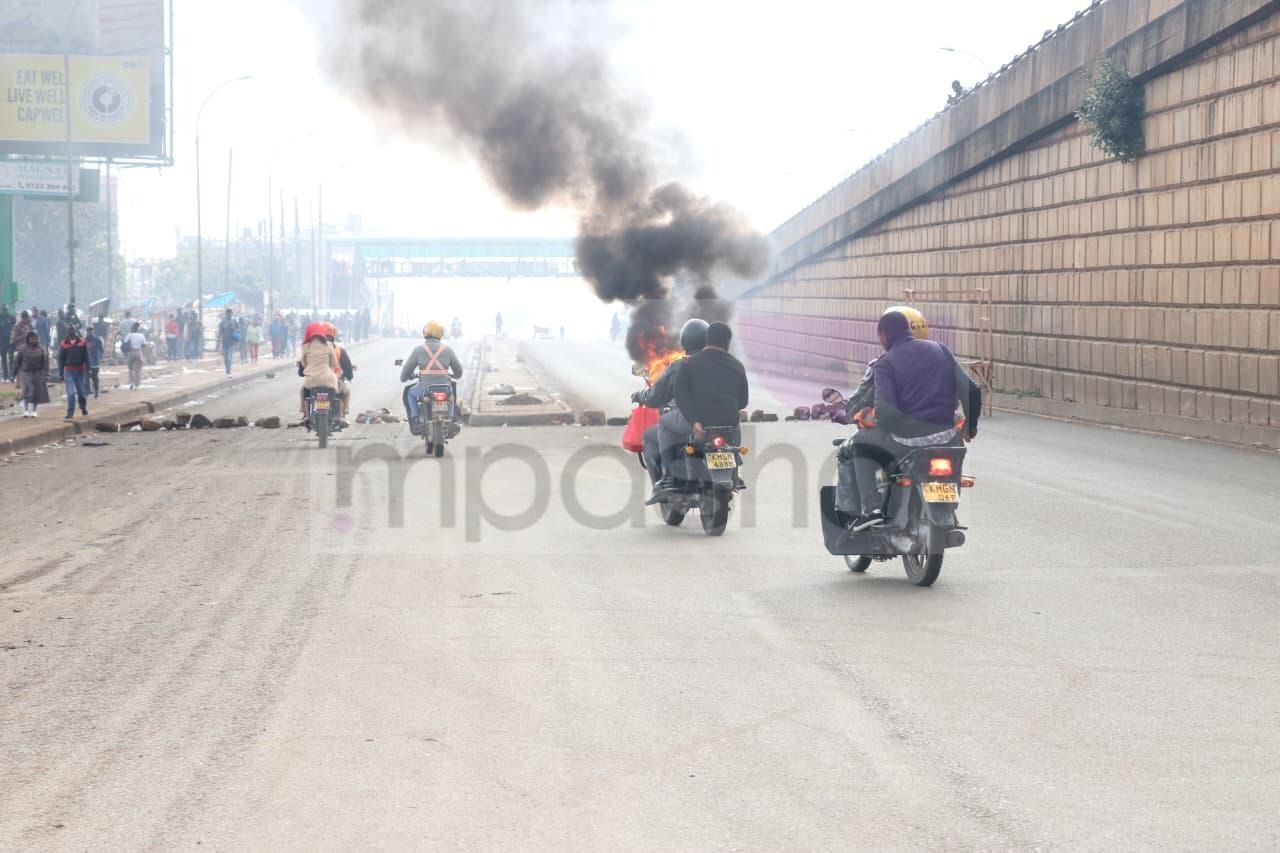
The public transport strike in Kenya shows no signs of ending as transport operators reject the government's latest offer. This stalemate continues despite a late-night intervention by the state to lower diesel prices.
The Energy and Petroleum Regulatory Authority (EPRA) announced a price reduction for diesel on Monday night. However, matatu owners insist that the Sh10.06 cut is insufficient to cover their rising costs.
The Government’s "Bridging" Strategy
President William Ruto called an emergency crisis meeting on Monday evening to address the fuel crisis. The meeting included officials from the National Treasury, the Ministry of Energy, and the Ministry of Transport.
The government’s primary strategy was to "bridge the gap" between the prices of diesel and kerosene. Officials argued that a large price difference leads to fuel adulteration.
This is when cheaper kerosene is mixed into diesel, which can cause engine malfunctions in motor vehicles. To stop this, the government lowered diesel by Sh10.06 while simultaneously raising the price of kerosene by Sh38.60 per litre.
Why Operators Said No
Matatu owners feel the government is not listening to the scale of their financial struggle. Albert Karakacha stated that transport operators had requested a price reduction of at least Sh46 per litre.
He explained that many owners are currently unable to pay off their vehicle loans or maintain their services due to the high cost of fuel.
"We did not agree to anything," Karakacha told reporters following the deliberations.
He noted that while the government offered a Sh10 reduction, the operators had communicated a need for a cut between Sh30 and Sh35.



.jpg)


